
I can't describe the satisfaction of polishing my kitchen counter and the gutters around the sink with plain baking soda and a cloth, and the surface shone dazzlingly. My experiments with natural cleaning products continue, and I can't say that I'm not happy with the results. Of course, success varies depending on the combination I use, but overall I'm impressed by the effectiveness of simple natural products that achieve remarkable results in the household, while not containing unnecessary harmful chemicals. (Hey, soda and lemons are also chemicals, I haven't forgotten!
Washing diapers
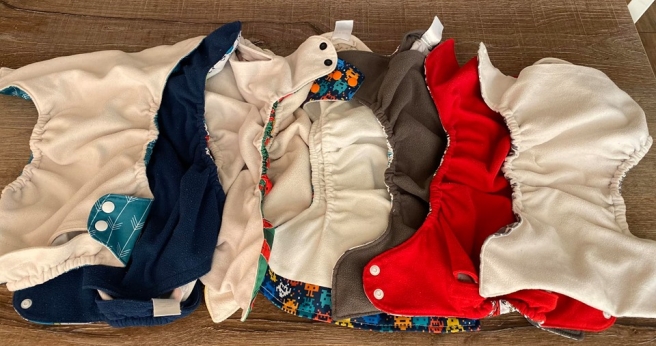
Reusable baby diapers are a challenge for any detergent. It must be strong enough to wash away bacteria, proteins, fats, acids and all other components of human excrement. This is not washing everyday lightly soiled clothes, but SERIOUS cleaning and disinfection is required. This is probably the main reason why most eco-friendly detergents do not cope with the task successfully – they mainly contain vegetable-based soaps that can only wash our everyday clothes. For all these reasons, it is best to use a detergent that is specially designed for baby diapers . I probably wouldn't have thought of using them alone if they didn't come in plastic packaging.

Ecological washing powder in ecological packaging
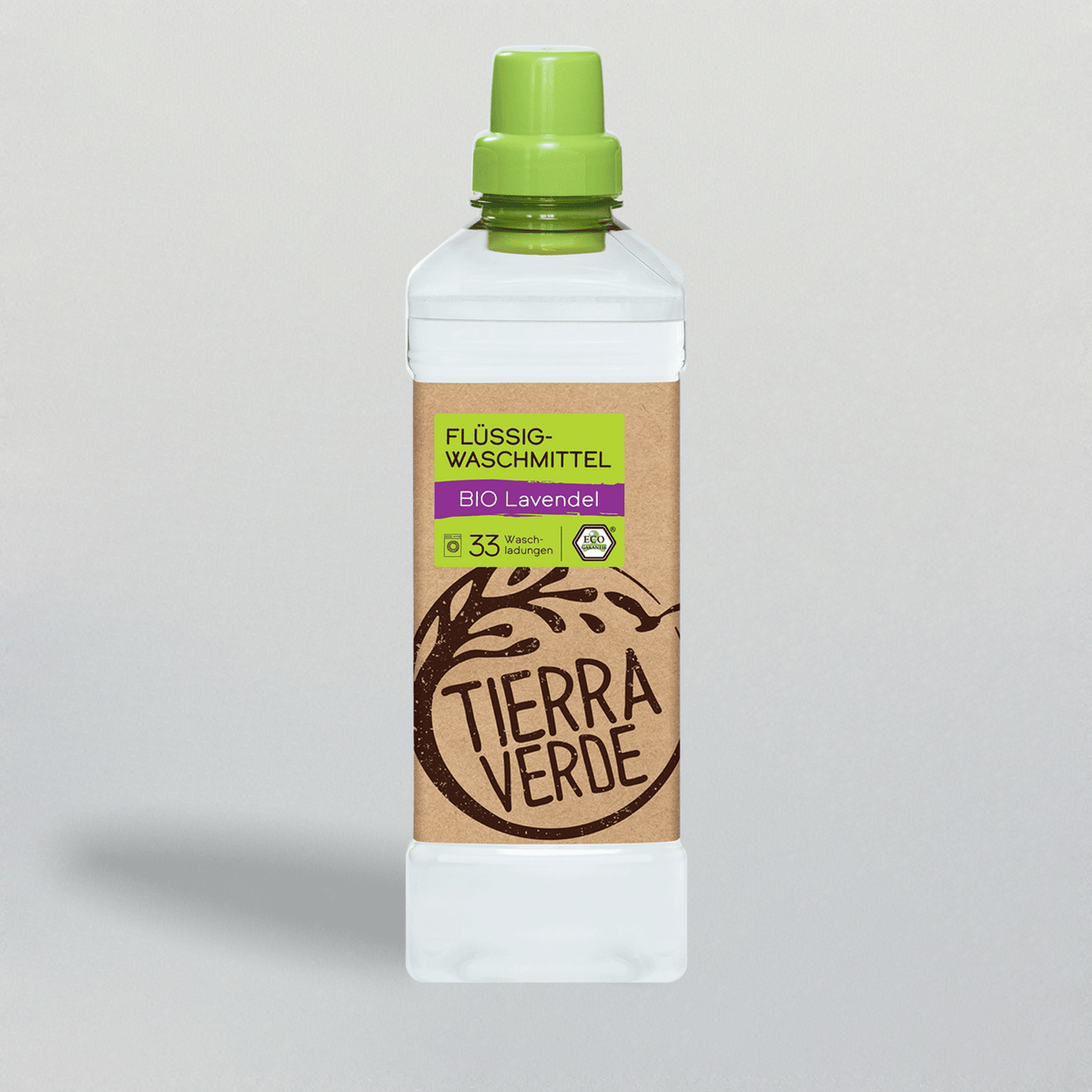
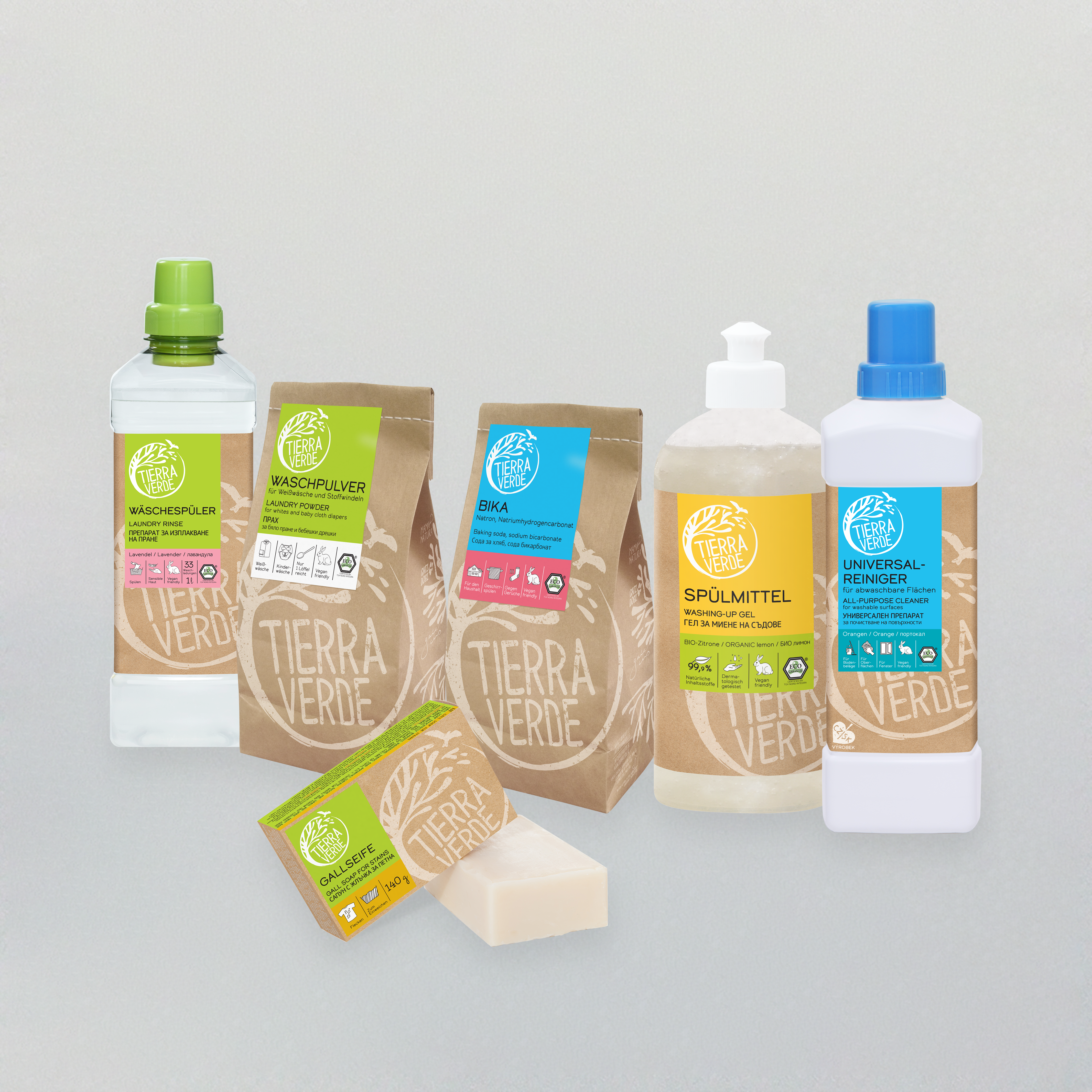
I have already shared that for several weeks, together with Tierra Verde Bulgaria and 6 volunteer ladies, we have been testing the effectiveness of Tierra Verde's white laundry powder and baby clothes , as well as Puer, a bleaching agent and their stain remover soap . The reason I agreed to participate in the experiment is that in addition to the natural ingredients suitable for washing diapers, Tierra Verde's products also have sturdy but completely biodegradable packaging, which is also suitable for multiple uses, and the products themselves are extremely easily available in a large part of the retail network, such as most organic stores and most importantly - in DM. Initially, the ladies who volunteered for the purposes of the experiment received general washing instructions, and during the test and discussion we also gave other guidelines.
Washing mode:
- rinsing on the shortest program with cold water (not 30 degrees, but cold) WITHOUT DETERGENT; (editor's note: for one of the participants in a town with hard water, we also added the recommended amount of anti-scale agent)
- main wash up to 60 degrees (preferably 40 degrees) with Tierra Verde powder for white laundry and baby clothes according to the instructions – 4 tbsp.;
- 1 tbsp Puer bleach and stain remover; (editor's note – do not use additional diaper disinfectant – this function is performed by Puer, which contains 100% sodium percarbonate, or the so-called oxygen/chlorine-free bleach)
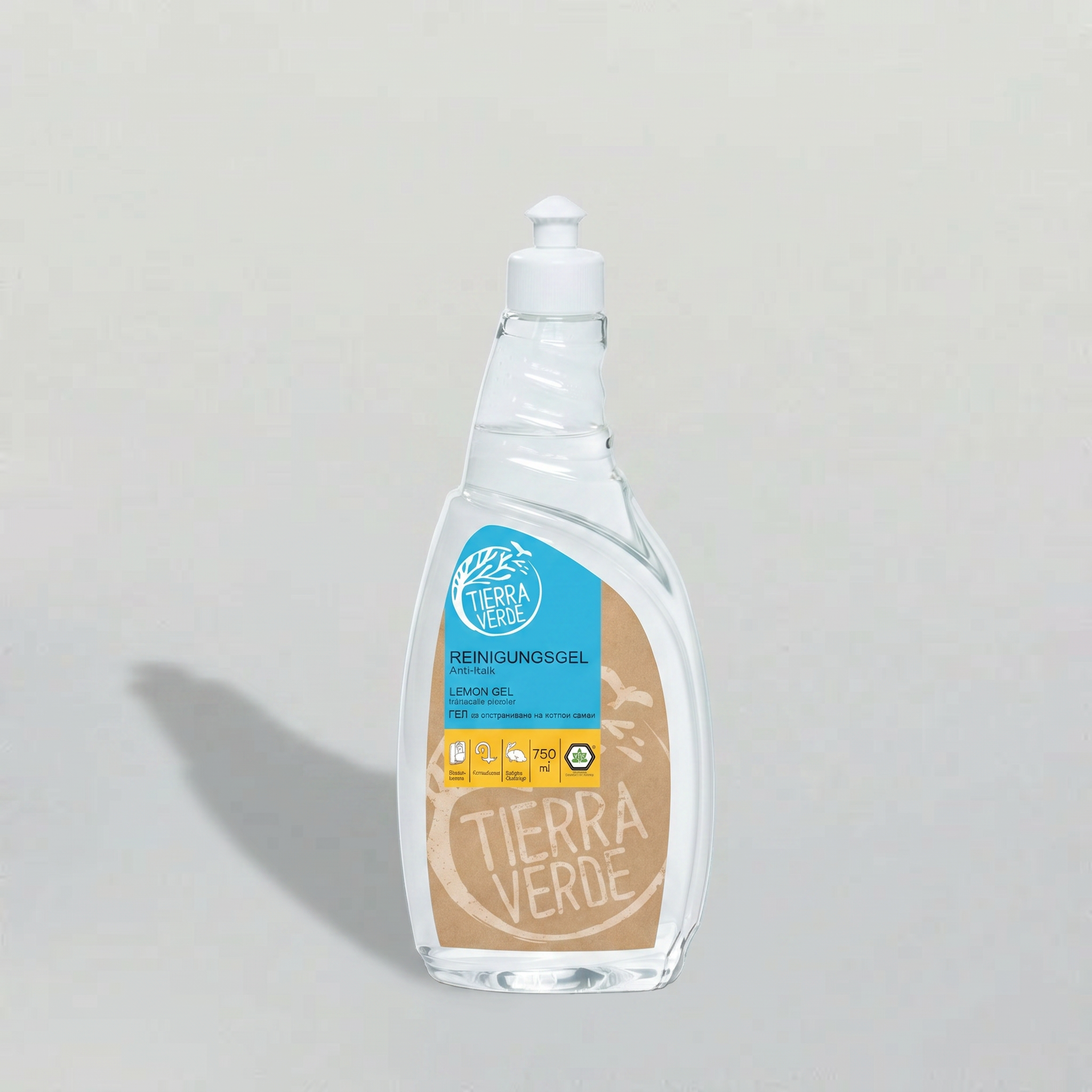
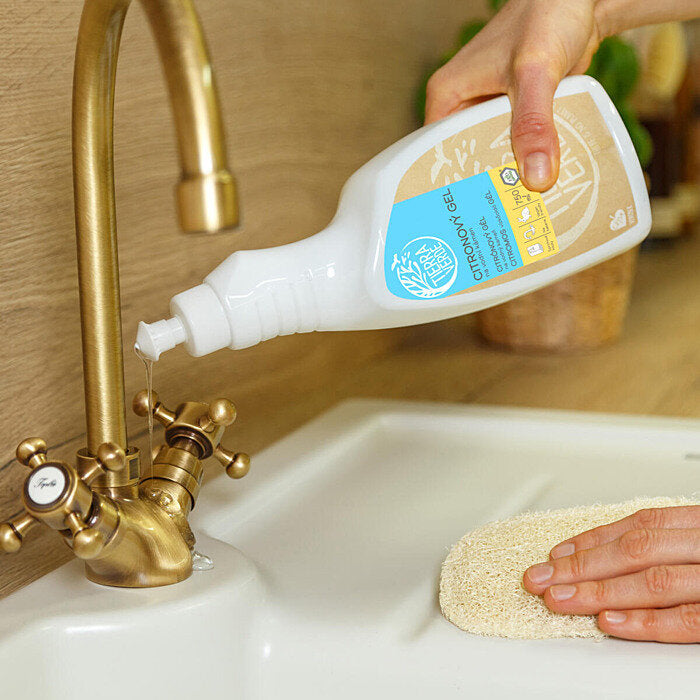
- if the water in the area is hard or medium soft, add an anti-scale agent (to soften the water); if it is not possible to use one, increase the dosage of the laundry detergent by 1/2;
- tumble dry at low speed or air dry;
If the diapers being used already have odors or buildup, treat them before the actual test as follows:
- soaking for 1 night in hot water (to cover the surface of the diapers)
- 4 tablespoons Tierra Verde powder for white laundry and baby clothes;
- anti-scale detergent – according to the dosage for hand washing;
- 2 tablespoons Puer bleach and stain remover;
- main wash cycle (duration at least 2 hours) WITHOUT DETERGENT;
General instructions:
- the washing machine is only filled with diapers (and maybe clothes) halfway; (editor's note – and the most efficient would be ¾ full)
- if the laundry generates foam during rinsing, run an additional rinse;
I'm not sure it's right to ask which detergent is better/best for washing diapers, because washing baby diapers largely depends on the circumstances in which you will put the laundry. The most important thing is your washing procedure and the actions you take in the event of different results. The general impression so far from the participants is that the washing powder washes very effectively - in general, no odors or stains remain. At the end of the test, for greater clarity, I will publish statistics for comparison.
When do stains remain? Very often. And no matter what detergent you use, especially with exclusively breastfed babies. But stains do not mean that the laundry is not being washed well, and vice versa – that it is being washed.
When do odors remain? This is the more important question. Depending on your own circumstances, odors can be caused by many things, but in any case, they indicate poor washing. In this article, you can read more about odors that remain after washing diapers and what is the best option to remove them.

During the test, questions and clarifications arose that were not mentioned in the general instructions, and we made some adjustments:
- For areas with very hard water (specifically, one of the volunteers) – add an anti-limescale agent in each phase of the wash – to the pre-rinse, to the main cycle, and, if necessary, to the additional rinse. The reason is that each wash without a water softener accumulates minerals on the surface of the fabric, and even if you wash very effectively during the main cycle, you are back to square one if you run a rinse with just water. I would say that hard water is the most serious prerequisite for diapers not being washed effectively and having odors, deposits, and stains. So far, I have not been able to give advice with a sufficiently good result, because for this participant, the proposed washing regimen and detergents still fail to completely remove odors.
- If you are soaking diapers to treat stains (rather than buildup), then it is important to do so in cold water, as hot water seals stains and odors into the fabric;
- When washing to whiten fabrics , then we can change the amount of Puer used; for soaking in 1 liter of water - 2 spoons; for adding to the main cycle - 4-6 spoons and a washing temperature of 50-60 degrees - the detergent is effective and disinfects at low temperatures, and at higher temperatures - it whitens well.
- The last instruction I gave to all participants was to wash at a higher temperature – 50 or 60 degrees – during the last 1 week of the test period.
Finally, I want to present you the contents of the most used specialized diaper powders and finally – of Tierra Verde's laundry detergent, to see how similar they are in composition. What grabs me the most is the simple formula without many ingredients (but pay attention to Charlie Banana's detergent – it literally has 3 elements).
MioCare – Bambino Mio 's washing powder:
- Sodium Sesquicarbonate – sodium sesquicarbonate, a double salt of baking soda and sodium carbonate (washing soda) – main ingredient;
- Sodium Carbonate Peroxyhydrate (sodium percarbonate, so-called oxygen/chlorine-free bleach);
- Sodium Silicate – water softener;
- Sodium Dodecylbenzene Sulphonate – surfactant;
- Tetraacetylethylenediamine – an agent that activates the oxygen in chlorine-free bleach at a lower temperature;
- Sodium Stearate – soap;
- Acrylic Acid Sodium Salt homopolymer – stabilizer;
TotsBots Laundry Potion – Tots Bots laundry detergent:
- 15 – < 30% zeolites;
- 5 – < 15% oxygen-based bleaching agents;
- < 5% non-ionic surfactants;
- Polycarboxylates – stabilizer;
- Phosphonates – prevent mineral buildup and activate ingredients at low temperatures;
- anionic surfactants – ionic surface-active substances;
Charlie Banana Eco Friendly Laundry Detergent – Charlie Banana 's laundry detergent
- natural washing soda
- sodium silicate – water softener;
- coconut oil based detergents – coconut oil soap;
Yellow & Blue detergent for white laundry and baby clothes by Tierra Verde
- 30% sodium carbonate (washing soda), zeolite;
- 15-30% sodium percarbonate (this is the so-called oxygen/chlorine-free bleach)
- 5-15% silicate, trisodium citrate;
- 5% soap nut extract
- olive soap powder (olive oil soap, sodium chloride)
Puer Whitening and Stain Removal Powder with Active Oxygen by Tierra Verde
- 100% sodium percarbonate (oxygen/chlorine-free bleach)
I'm completely clueless when it comes to chemistry, so if you notice any inaccuracies in the descriptions or explanations above, please share!
Stay tuned for the final third part of our experiment, in which I hope to include an overall result and pure effectiveness statistics collected from our volunteers.
Follow "Bottomlane" on their Facebook page.
*All photos used in the article were kindly provided by the ladies who participated in the experiment.